
Collection: Outdoor floors
Outdoor flooring is crucial in designing outdoor spaces such as gardens, terraces, balconies, and courtyards. The choice of material affects aesthetics, functionality, and durability. Common materials include porcelain stoneware, composite wood, and natural stone, each with specific advantages. It is important to consider weather resistance, safety (non-slip surfaces), and aesthetic harmony with the surrounding environment. Proper installation and regular maintenance are essential to prevent problems such as water infiltration. Careful material selection and good design can transform any outdoor space into a welcoming and functional area.

-
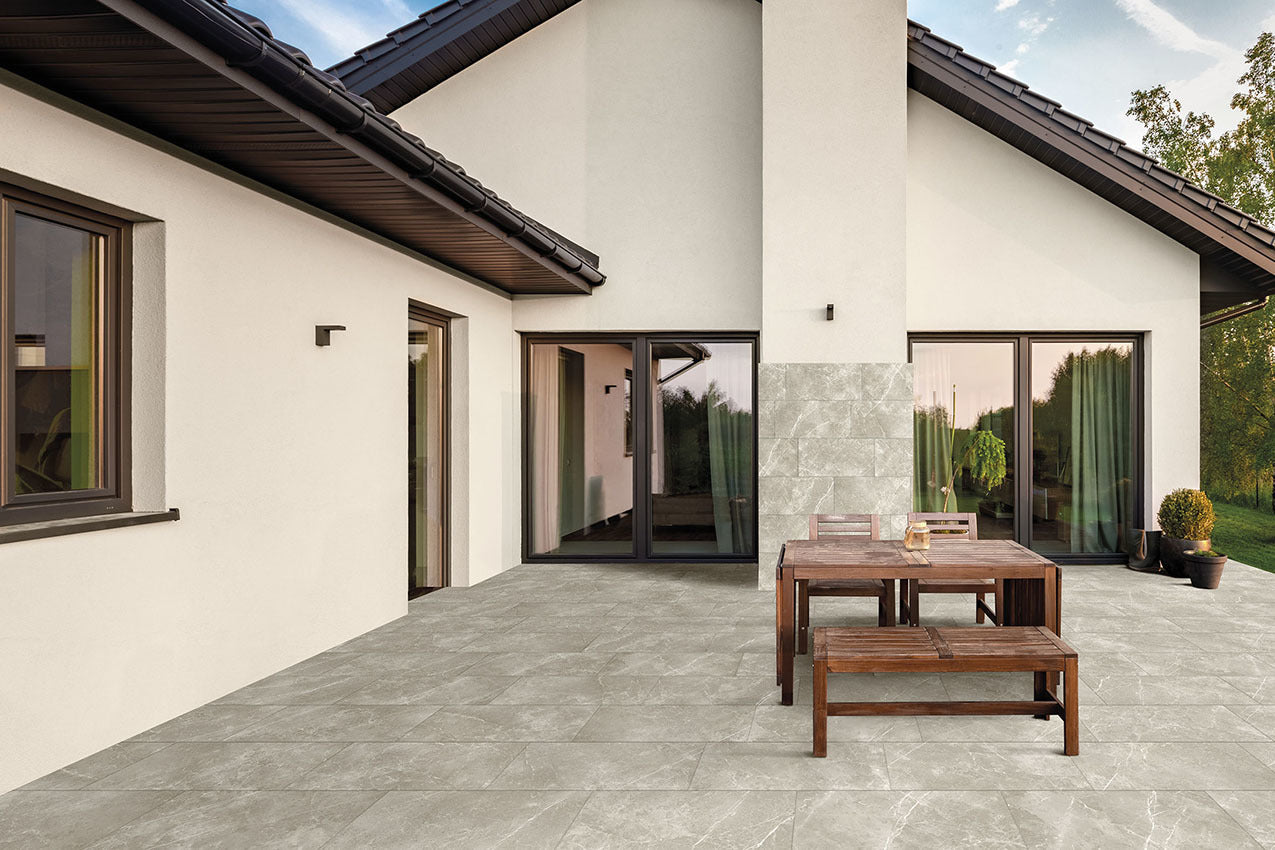
Marble effect OUT
Discover our refined collection of marble-effect porcelain stoneware for exteriors. The perfect...
-
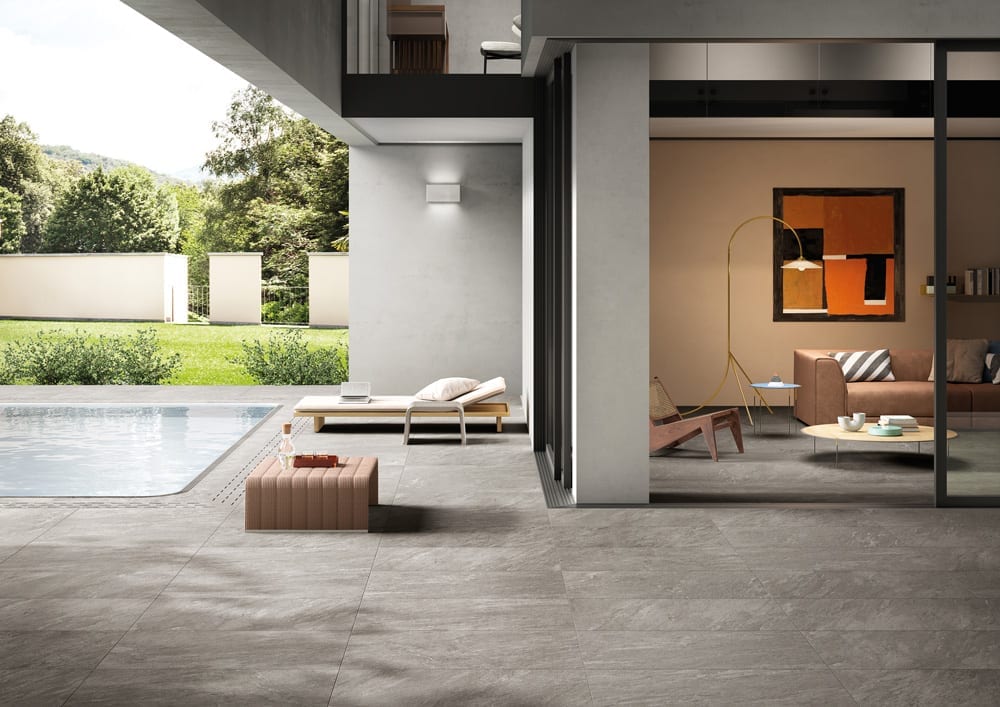
Exterior Stone Effect
Our stone effect porcelain tiles are the ideal choice for a natural...
-
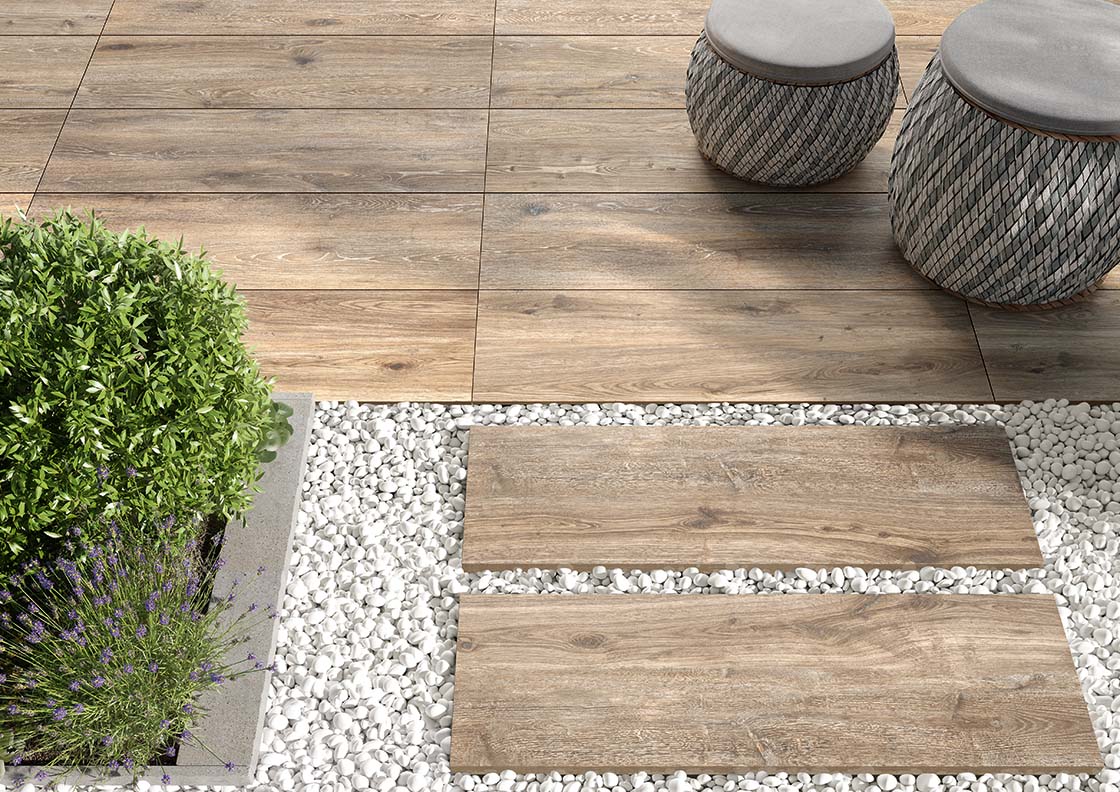
Wood Effect for Outdoors
Outdoor porcelain stoneware tiles are ideal for creating a warm and welcoming...
-
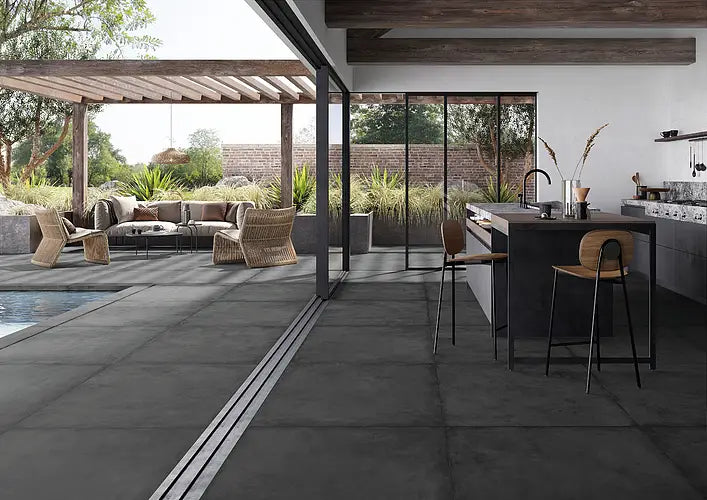
Resin/Cement Effect for Exteriors
Reveal the modern character of your outdoor space with our collection of...
-

COEM Ceramiche GRES X2
OUTDOOR FLOORING 2 TIMES + RESISTANT Coem's response to the changing needs...
-
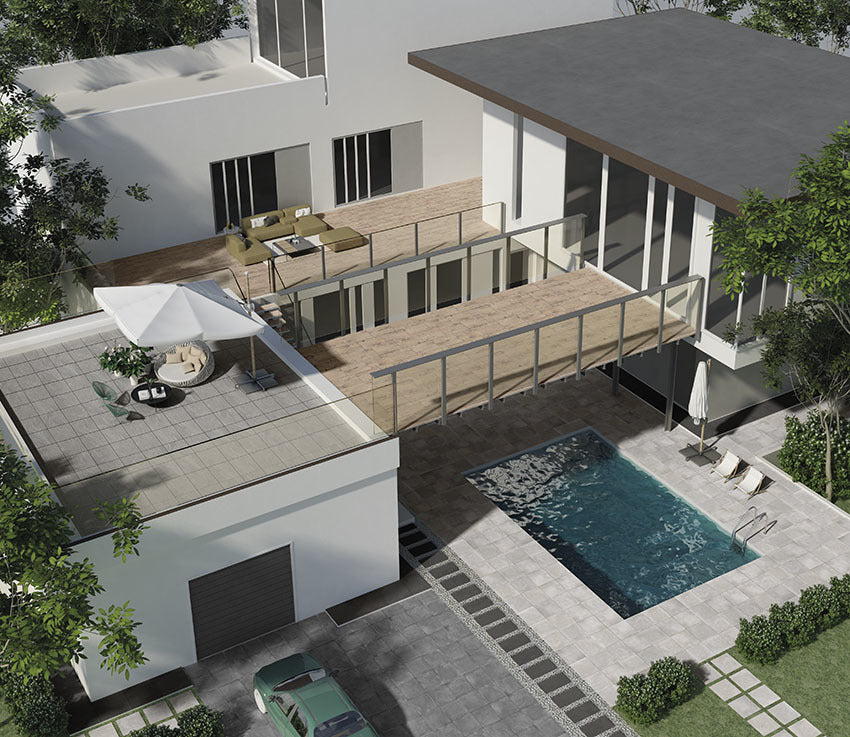
Thickened | OUTDOOR4.0 Cotto Petrus
Explore the Cotto Petrus OUTDOOR 4.0 Extra-Thick Collection, an ode to functional...
-
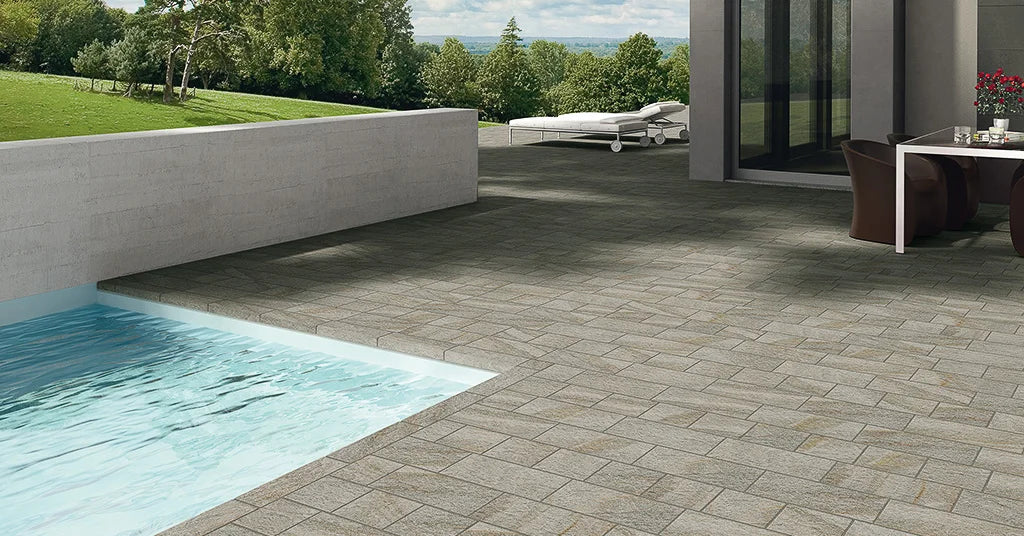
Outfit - Paul Ceramiche
The Outfit outdoor tile collection is an ideal choice for those looking...
-
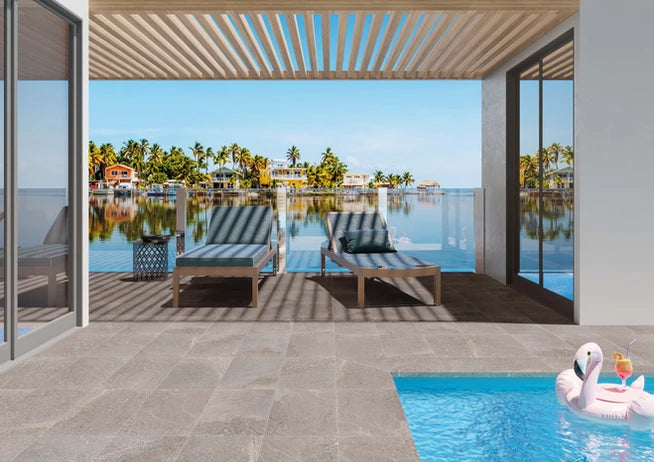
Gemini - Paul Ceramiche
A beautiful stone effect, available in 4 colors and 3 formats, completed...

Outdoor Flooring
Outdoor flooring is a fundamental element in the design of outdoor spaces, whether they are gardens, terraces, balconies, or courtyards. The choice of flooring type can influence not only the aesthetics of the area but also its functionality and durability over time. Various material options are available on the market, each with its specific characteristics and advantages. For example, porcelain stoneware is known for its resistance to weathering and ease of maintenance, while composite wood offers a natural look combined with greater durability compared to traditional wood. Other popular materials include natural stones such as granite and slate, which add a touch of elegance and robustness. When choosing outdoor flooring, it is essential to consider various factors such as slip resistance, especially in areas prone to rain or humidity, and the material's ability to withstand seasonal climate variations. Furthermore, the aesthetic aspect should not be overlooked: the flooring should harmonize with the architectural style of the house and the overall design of the surrounding landscape. Proper installation is just as important as the choice of material. Inaccurate installation can lead to problems such as water infiltration or tile lifting. For this reason, it is often advisable to rely on experienced professionals in the outdoor flooring sector. In summary, outdoor flooring is not just a matter of practicality but also of aesthetics. A good choice can transform any outdoor space into a welcoming and functional area where pleasant moments can be spent outdoors.
Designing Outdoor Flooring: Elements to Consider in Coverings
When designing outdoor flooring, it is essential to consider a range of factors that will influence both the aesthetics and functionality of the paving. Firstly, it is crucial to evaluate the type of material to be used. Common options include porcelain stoneware tiles, natural stone, wood, and concrete. Each material has its unique characteristics regarding weather resistance, maintenance, and durability over time. For example, porcelain stoneware is known for its resistance and ease of cleaning, while natural stone offers a more traditional and rustic aesthetic.
Another crucial element to consider is the climate of the area where the outdoor tiles will be installed. Materials like wood might not be ideal in areas with high humidity or significant temperature fluctuations, as they can warp or deteriorate quickly. In contrast, materials like concrete or porcelain stoneware are better suited to withstand adverse weather conditions.
Safety is an equally important aspect when choosing outdoor flooring. It is advisable to opt for non-slip surfaces, especially in areas prone to frequent rain or near swimming pools and fountains. Furthermore, the correct slope of the floor is necessary to ensure adequate water drainage and prevent accumulations that could cause accidents or structural damage.
The aesthetic aspect should not be overlooked. The choice of colors and patterns of the tiles can significantly influence the overall appearance of the outdoor area. It is possible to choose shades that harmonize with the surrounding environment or opt for contrasts that create interesting visual focal points.
Finally, it is important to consider the costs associated with the installation and maintenance of outdoor flooring. While some materials might have a high initial cost, they could prove to be more economical in the long run due to their durability and low maintenance requirements. Therefore, it is advisable to conduct a comprehensive long-term cost analysis before making a final decision.
Materials for Outdoor Flooring
Choosing the right material for outdoor paving is crucial not only for aesthetics but also for the durability and safety of surfaces. Among the most popular options are porcelain stoneware, wood, natural stone, and concrete. Each of these materials possesses specific characteristics that make them suitable for different contexts and needs. Porcelain stoneware is one of the most widespread choices due to its resistance to weathering and ease of maintenance. Available in a wide range of colors and finishes, it can perfectly imitate other materials like wood or stone, thus offering great aesthetic versatility. Wood, although requiring more maintenance than other materials, gives outdoor spaces a warm and natural look. It is particularly suitable for terraces and pool surrounds but requires specific treatments to resist moisture and pests. Natural stone, such as travertine or slate, is valued for its timeless beauty and robustness. However, it can be more expensive and require professional installation. The irregular surface of the stone also provides good grip, making it ideal for areas prone to rain or frost. Finally, concrete represents a versatile and economical solution. It can be left natural or treated with various types of decorative finishes such as stamped or colored concrete. It is extremely durable and requires little maintenance, but it might be less aesthetically appealing than other options. In addition to the main materials, there are also composite solutions like WPC (Wood Plastic Composite), which combine wood fibers with plastic resins to offer a wood-like appearance but with greater resistance to weathering. In conclusion, the choice of material for outdoor flooring must consider several factors, including the intended use of the area, local climatic conditions, and personal aesthetic preferences. Investing in the right material will not only improve the appearance of your outdoor space but also ensure longevity and safety.
Common Mistakes in Outdoor Paving Design
When it comes to designing outdoor flooring, it's easy to make mistakes that can compromise the functionality and aesthetics of the outdoor space. One of the most common errors is choosing inadequate materials for the local climate. For example, opting for porous tiles in an area prone to frequent rain can lead to water infiltration and structural damage over time. It is crucial to select materials resistant to the specific weather conditions of your geographical area.
Another recurring mistake is underestimating the importance of ground preparation. A poorly prepared base can cause deformations and settling in the paving, reducing the overall lifespan of the outdoor floor. It is essential to ensure that the ground is well-leveled and compact before proceeding with the installation of tiles or pavers.
Lack of proper slope for drainage is another error to avoid. Without adequate inclination, water can accumulate on the paving surface, creating puddles and increasing the risk of slips. Furthermore, stagnant water can penetrate the materials, causing long-term damage. Ensure that a sufficient slope is designed to allow for effective rainwater runoff.
Choosing unsuitable colors and finishes is another common mistake in outdoor paving design. Colors that are too light can easily stain and require frequent cleaning, while surfaces that are too smooth can become slippery when wet. Opting for non-slip finishes and darker colors can help maintain the original aesthetic appearance for longer and ensure greater safety.
Finally, many overlook the importance of regular maintenance for outdoor floors. Even the best materials require periodic care to maintain their properties over time. Regular cleaning, protective treatments, and timely repairs are essential to extend the useful life of the paving.
By avoiding these common mistakes in outdoor paving design, it is possible to create a functional, durable, and aesthetically pleasing outdoor space. Careful material selection, proper ground preparation, and consistent maintenance are key elements to ensure the success of the project.
- Choosing a selection results in a full page refresh.
- Opens in a new window.