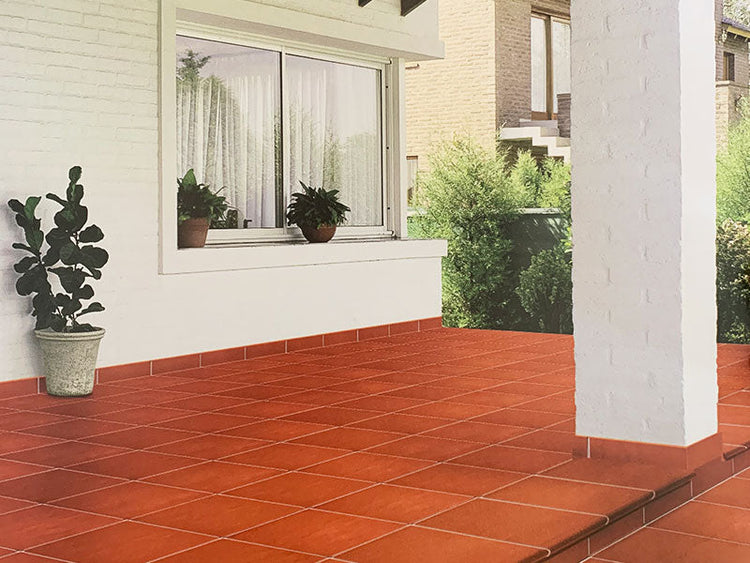
Collection: Terracotta flooring
Terracotta floors, made from natural clays fired at high temperatures, combine strength, durability, and aesthetic appeal. Suitable for both indoors and outdoors, they maintain temperature, resist weathering, and offer a wide variety of shades and finishes, from deep red to beige. Versatile in style, they blend harmoniously into rustic or modern settings, adding warmth and character to any space. Terracotta is also an ecological choice, thanks to its natural materials and sustainable production processes. Maintenance is simple: regular cleaning and periodic treatments preserve its beauty and functionality for many years.
-
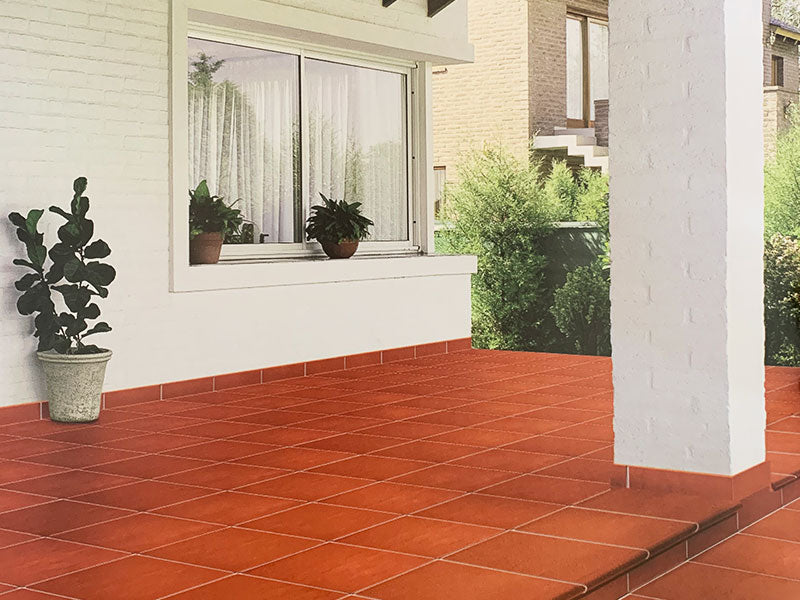
Rolled Cooked Ham Natural - domus linea
Natural Rolled Terracotta The Domus Linea Natural Rolled Terracotta is a 100%...
-
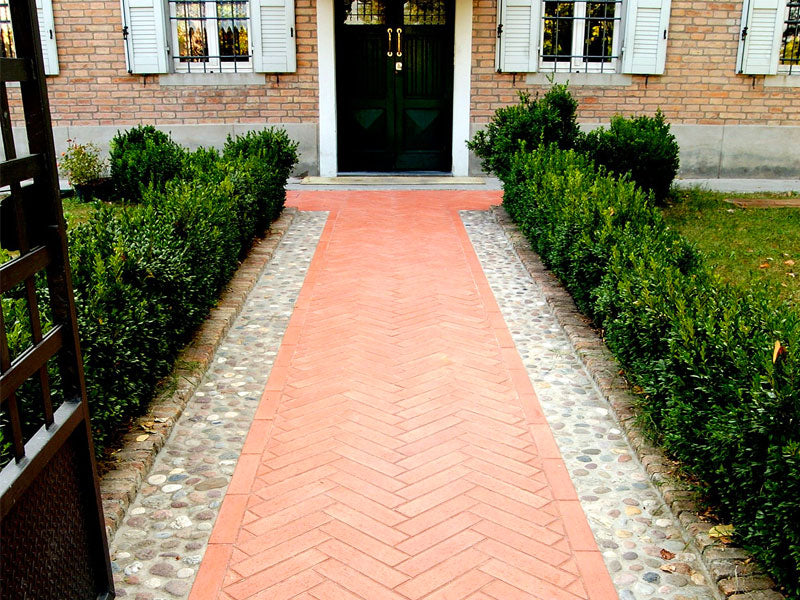
Rolled Cooked Ham, Pre-sliced - domus linea
Cotto Arrotato Presild by Domuslinea The Cotto Arrotato Presild Domus Linea combines...
-
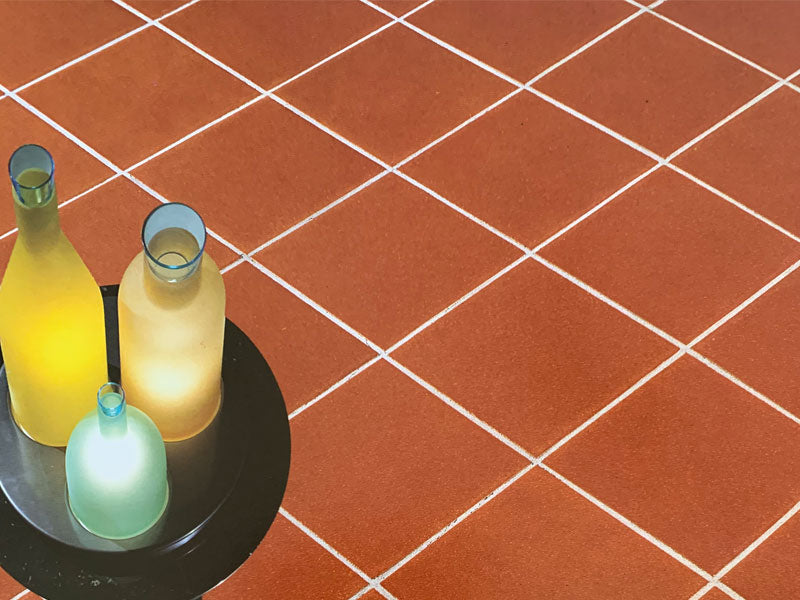
Rolled Waxed Terracotta Blitz - domus linea
Domus Linea Blitz Rolled and Waxed Terracotta The Domus Linea Blitz Rolled...
Terracotta Floors: Characteristics, Advantages, and Complete Maintenance
What is a Terracotta Floor?
A terracotta floor is a flooring solution made with terracotta tiles fired in a kiln at high temperatures. It is a traditional ceramic material rooted in ancient tradition, particularly appreciated in Mediterranean and Tuscan architecture. Terracotta flooring gives rooms a rustic yet elegant character, representing an excellent choice for both indoor and outdoor spaces thanks to its durability and unmistakable aesthetic appeal.
What Material is Terracotta Flooring Made Of?
Terracotta is a ceramic material obtained by firing natural clay at temperatures between 900°C and 1100°C. This artisanal process not only ensures robustness but also adds a unique character to each tile. The clay used can vary in composition, influencing the final color which ranges from pale pink to intense red, up to warmer shades of ochre yellow and beige. The natural porosity of the material is one of its distinctive characteristics, giving the floor unique breathable properties and keeping rooms cool in summer and warm in winter.
Quality and Versatility of Terracotta Floors
Terracotta floors represent a high-quality and highly versatile option for any room in the house. Their ability to adapt to different architectural styles is extraordinary: whether in a rustic or modern context, terracotta integrates harmoniously, offering an elegant and timeless look. The different shades available, from intense red to lighter tones of yellow and beige, allow for the personalization of space design, adapting perfectly to every style.
The versatility of terracotta also extends to finishes: polished for a more refined look, rustic to maintain traditional authenticity, or waxed for glossy protection. This variety of options makes terracotta ideal for terraces, courtyards, gardens, verandas, and pool surrounds, creating outdoor spaces that are an inviting extension of the home.
Terracotta Floors for Indoors and Outdoors
Terracotta floors particularly excel in outdoor spaces thanks to their exceptional resistance to weathering and wear. Their warm and welcoming appearance integrates harmoniously with the natural environment, while their ability to maintain temperature makes them ideal for every season. During hot months, terracotta remains cool underfoot, while in colder periods it can retain heat accumulated during the day.
For interiors, terracotta flooring creates warm and welcoming environments, with color nuances that give personality to every room. Its exceptional resistance and durability also make it perfect for high-traffic areas.
Difference between Terracotta and Porcelain Stoneware
The main difference between terracotta and porcelain stoneware lies in the firing temperature and composition:
- Terracotta: fired at lower temperatures (900-1100°C), higher porosity, rustic and natural appearance, each tile has unique characteristics
- Porcelain Stoneware: fired at high temperatures (1200-1400°C), more compact and resistant material, more uniform finish
Porcelain stoneware offers greater resistance to wear and water absorption, while terracotta retains a more authentic and traditional aesthetic appeal, with natural variations that give unique character to every environment.
Advantages of Terracotta Floors
Aesthetic Advantages
- Natural beauty: each tile has unique shades and textures
- Stylistic versatility: adapts perfectly to rustic, classic, and contemporary styles
- Noble aging: improves aesthetically over time, developing a characteristic patina
- Visual warmth: earthy tones create welcoming atmospheres
Functional Advantages
- Breathability: naturally regulates environmental humidity
- Thermal insulation: keeps cool in summer and retains heat in winter
- Exceptional durability: if well maintained, can last decades
- Eco-sustainability: natural material, produced with environmentally friendly processes and completely recyclable
- Resistance to atmospheric agents: ideal for outdoors
Disadvantages of Terracotta Floors
Practical Limitations
- Porosity: absorbs liquids and stains if not adequately treated
- Demanding maintenance: requires specific periodic treatments
- Delicacy: sensitive to acids and aggressive chemical products
- Higher cost: higher price compared to other ceramic materials
Usage Considerations
- Surface irregularity: may present small natural asperities
- Limited resistance: less resistant than porcelain stoneware to intense impacts
What is Terracotta Flooring Like?
Terracotta flooring is characterized by its slightly irregular and porous surface, with warm tones ranging from beige to brick red. To the touch, it is slightly rough, giving a feeling of naturalness and authenticity. Tile dimensions traditionally vary from 15x15 cm to 40x40 cm, with thicknesses ranging from 12 to 25 mm.
The artisanal production process ensures that each tile is unique, with chromatic variations that create a rich and dynamic visual effect. The surface can have different finishes to adapt to every aesthetic and functional need.
Furnishing a Home with Terracotta Flooring
When deciding to furnish a home with terracotta floors, it is important to consider the harmony between the materials and the overall design of the environment. Terracotta lends itself beautifully to combinations with both classic and modern furnishings:
For a rustic and welcoming style:
- Solid wood furniture in warm tones that enhance the earthy nuances of terracotta
- Natural fabrics for curtains and cushions that reflect the floor's tones
- Wrought iron or handcrafted ceramic accessories
For a contemporary look:
- Minimalist furnishings that create a refined contrast
- Metal or glass furnishing accessories to balance the naturalness of terracotta
- Brightly colored rugs to add touches of vibrancy
Lighting plays a fundamental role: appropriately designed lamps will help to enhance the natural characteristics of terracotta, creating plays of light and shadow that highlight the material's texture.
How to Clean a Terracotta Floor
Routine Cleaning
Maintaining terracotta floors is relatively simple with the right attention:
- Vacuuming: remove dust and debris with a vacuum cleaner or broom
- Washing: use lukewarm water with a neutral detergent (pH 7) or neutral soap
- Rinsing: completely remove soap residues
- Drying: blot with a soft cloth to avoid streaks
Recommended Products
- Specific pH-neutral detergents for terracotta
- Marseille soap diluted in water
- Enzymatic detergents for organic stains
- Water and neutral soap for regular cleaning
Products to Absolutely Avoid
- Bleach and ammonia
- Acidic detergents (vinegar, lemon)
- Abrasive products or aggressive degreasers
- Synthetic waxes not specific for terracotta
Extraordinary Maintenance and Specific Treatments
To preserve the beauty of terracotta over time and maintain its characteristic patina, it is essential to periodically carry out:
- Water-repellent treatment: every 2-3 years to protect against stains and discoloration
- Waxing: application of natural wax to nourish the material and revive colors
- Application of sealants: protect the surface from daily wear and tear
- Regeneration: light sanding in case of excessive wear
These specific treatments not only protect the surface but also enhance the natural beauty of terracotta, ensuring that its appearance remains unchanged for years.
Sustainability and Environmental Impact
Terracotta flooring represents an ecological option for those who wish to reduce the environmental impact of their building choices. Being produced with natural materials through environmentally friendly processes, terracotta fits perfectly into a sustainable construction perspective. Its long lifespan also helps reduce the need for frequent replacements, representing a long-term economic and environmental investment.
Terracotta floors therefore represent a choice of great aesthetic value for those who desire a warm, characteristic, and sustainable environment, provided they are willing to dedicate the right attention to their specific maintenance.
- Choosing a selection results in a full page refresh.
- Opens in a new window.