Collection: Klinker: indoor and outdoor flooring
What is clinker and why is it different from other materials
Clinker is a high-density technical ceramic, obtained from precious clays fired at over 1200°C. The result is a compact, almost waterproof material, with mechanical and chemical resistance superior to the average.
Unlike other ceramics, clinker is not just an aesthetic choice, but above all a functional choice, designed to last even in difficult conditions.
Why choose clinker flooring?
Those who enter our showroom often ask us: "Why should I choose clinker instead of porcelain stoneware or natural stone?"
The answer lies in the balance between performance and practicality:
-
Extreme resistance: withstands heavy loads, impacts and abrasions without marking.
-
Non-slip and safe: available in specific finishes for outdoors, swimming pools and ramps.
-
No fear of water and frost: does not absorb, swell or flake.
-
Advanced aesthetics: today, clinker offers stone, concrete or terracotta effect finishes, also ideal for design projects.

-
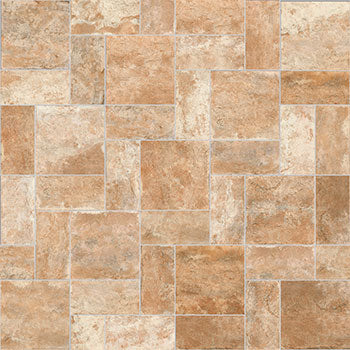
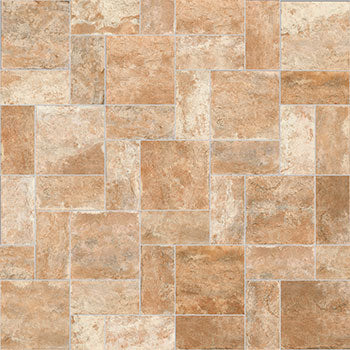
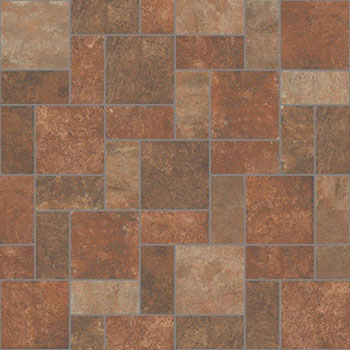
Klinker Country Terminale Salmon 4x13,5x26
Vendor:domus lineaRegular price €9,74 / pzRegular price€0,00 / pzSale price €9,74 / pz -
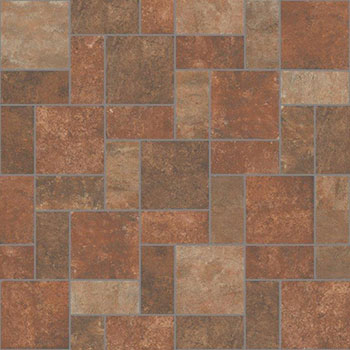
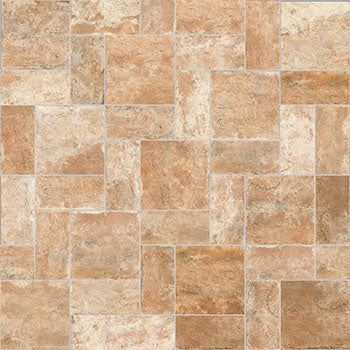
Klinker Country Terminale Random 4x13,5x26
Vendor:domus lineaRegular price €9,74 / pzRegular price€0,00 / pzSale price €9,74 / pz -
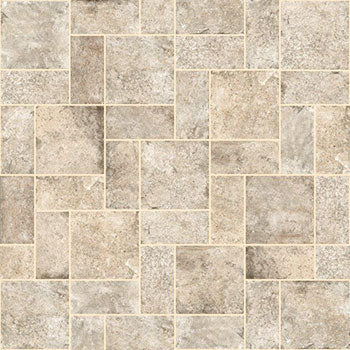
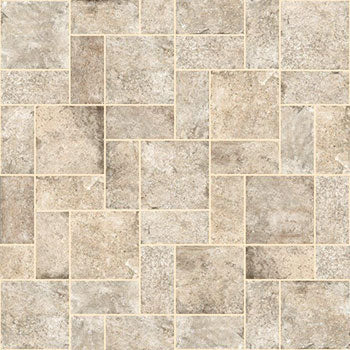
Klinker Country Terminale Grey 4x13,5x26
Vendor:domus lineaRegular price €9,74 / pzRegular price€0,00 / pzSale price €9,74 / pz -
Klinker Country Salmon 6,5x26
Vendor:domus lineaRegular price €33,34 / m²Regular price€0,00 / m²Sale price €33,34 / m² -
Klinker Country Random 6,5x26
Vendor:domus lineaRegular price €33,34 / m²Regular price€0,00 / m²Sale price €33,34 / m² -
Klinker Country Grey 6,5x26
Vendor:domus lineaRegular price €33,34 / m²Regular price€0,00 / m²Sale price €33,34 / m² -
Klinker Country Salmon 26x26
Vendor:domus lineaRegular price €21,04 / m²Regular price€0,00 / m²Sale price €21,04 / m² -
Klinker Country Random 26x26
Vendor:domus lineaRegular price €21,04 / m²Regular price€0,00 / m²Sale price €21,04 / m² -
Klinker Country Grey 26x26
Vendor:domus lineaRegular price €21,04 / m²Regular price€0,00 / m²Sale price €21,04 / m² -
Klinker Country Salmon 13x26
Vendor:domus lineaRegular price €21,00 / m²Regular price€0,00 / m²Sale price €21,00 / m² -
Klinker Country Random 13x26
Vendor:domus lineaRegular price €21,00 / m²Regular price€0,00 / m²Sale price €21,00 / m² -
Klinker Country Grey 13x26
Vendor:domus lineaRegular price €21,00 / m²Regular price€0,00 / m²Sale price €21,00 / m²
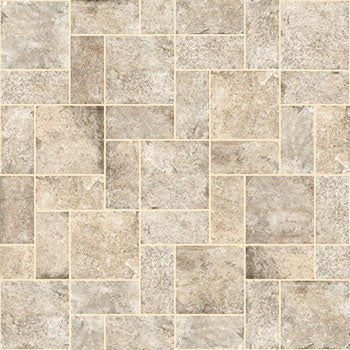
Clinker: a versatile and durable material
Clinker is a ceramic material distinguished by its exceptional versatility and resistance, making it an ideal option for floors and coverings in various applications, both indoors and outdoors. Thanks to its unique composition and high-temperature firing process, clinker acquires a high density, which gives it superior robustness compared to other ceramic materials. This makes it particularly appreciated in high-traffic areas or in difficult environmental conditions, such as outdoor clinker tiles or clinker flooring for public spaces. One of the main advantages of clinker tiles is their resistance to wear, chemical agents, and climatic variations, including frost and UV rays. This durability translates into a long lifespan without losing its original aesthetic characteristics. Furthermore, clinker offers a wide range of finishes and colors, allowing for the personalization of environments and meeting diverse design needs. Clinker tiles are also known for their anti-slip properties, a crucial aspect when it comes to safety, especially in spaces like swimming pools or entrances. Ease of maintenance represents a further advantage: the smooth surface of clinker does not absorb stains or dirt easily, allowing for simple and effective cleaning. In summary, clinker is a material that combines aesthetics and functional efficiency. Its ability to adapt to different architectural needs makes it a popular choice among architects and designers looking for reliable and durable solutions for the most demanding projects.
Characteristics and Advantages of Clinker
Clinker is a ceramic material known for its exceptional strength and durability, making it an ideal choice for both indoor and outdoor flooring and wall coverings. Composed of a mixture of selected clays fired at very high temperatures, clinker acquires a dense and compact structure, capable of resisting the most adverse weather conditions, wear, and thermal shock. This characteristic makes it particularly suitable for use in high-traffic areas such as entrances, sidewalks, and pedestrian zones, as well as in domestic environments like kitchens and bathrooms where the need for a resistant material is fundamental.
In addition to its robustness, clinker also offers significant aesthetic advantages. Available in a wide range of colors, formats, and finishes, clinker tiles can adapt to different architectural styles and personal preferences. From natural and earthy tones to vibrant and modern colors, clinker lends itself to endless design possibilities. Furthermore, its surface can be treated to achieve anti-slip or glossy effects, further expanding decorative options.
Another positive aspect of clinker is its ease of maintenance. Thanks to its low porosity, the material does not easily absorb liquids or dirt, facilitating daily cleaning. This makes it not only functional but also practical for those who wish to reduce the time spent caring for surfaces. Finally, clinker is an ecological material: its production uses abundant natural resources, and modern production processes are oriented towards environmental respect.
Differences between Clinker and Porcelain Stoneware
In the world of building materials, the differences between clinker and porcelain stoneware are significant, even though both are highly valued for their strength and versatility. Clinker is a ceramic material obtained by firing selected clays at high temperatures. This process gives clinker extraordinary hardness and resistance to atmospheric agents, making it ideal for outdoor flooring and coverings in areas subject to adverse climatic conditions. Clinker tiles are often used for outdoor paving due to their ability to resist frost and humidity, as well as their long lifespan. In contrast, porcelain stoneware is a ceramic material composed of a mixture of finely ground clays, sintered at very high temperatures. This technique produces a dense, durable, and wear-resistant material. Unlike clinker, porcelain stoneware is available in a wide range of aesthetic finishes, successfully imitating the look of natural stone, wood, or other valuable materials. However, its high density makes it less porous than clinker, which can be an advantage in terms of water absorption but might result in it being more slippery when wet. While both materials offer excellent performance for internal and external flooring and coverings, the choice between clinker and porcelain stoneware often depends on the specific needs of the project. For those seeking extreme resistance to external climatic conditions and a rustic and traditional aesthetic, clinker tiles represent an excellent choice. Conversely, for those desiring aesthetic versatility with innovative design possibilities, porcelain stoneware might be more suitable.
How to maintain a clinker floor
A clinker floor is not demanding, but correct maintenance will preserve its beauty for years.
- Remove dust and debris with a broom or vacuum cleaner.
- Use hot water with a neutral detergent, avoiding greasy soaps that leave streaks.
- For stubborn stains, use specific products for technical ceramics.
- In case of moss, clean with a low-pressure washer and mild anti-algae products.